
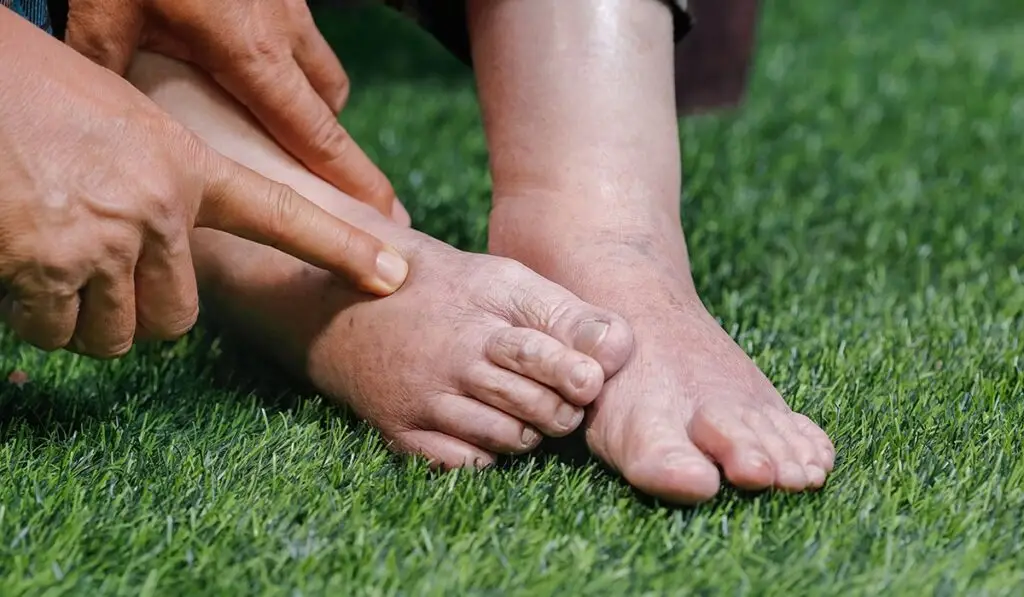

In this question-and-answer session, Khanjan Nagarsheth, MD, associate professor of surgery at the University of Maryland School of Medicine and vascular surgeon at the University of Maryland Medical Center, shares what people should know about recognizing and managing this condition.
What is Chronic Venous Insufficiency?
Chronic venous insufficiency (CVI) affects the veins—specifically, the vessels that carry blood back to the heart. When those veins don’t work properly, blood can fall backward and pool in the legs, leading to swelling, discoloration, and sometimes varicose veins.
“It affects the returning half of the circulatory system,” Dr. Nagarsheth explains. “The veins of the leg aren’t functioning the way they’re supposed to, so blood doesn’t move efficiently back to the heart.”
CVI doesn’t usually cause blood clots, but people who have had a clot in the past may develop this condition as a result.
Who Is at Risk?
Chronic venous insufficiency is common: 40–50% of people over age 50 experience it. It often affects those who have spent many years standing or sitting for long periods.
Family history also plays a major role—venous disease often runs in families and can pass from one generation to the next.
What Are the Symptoms?
People with CVI may notice:
· Leg or ankle swelling
· Heaviness or fatigue at the end of the day
· Itching
· Skin discoloration around the ankles or feet
· Varicose veins
· In advanced cases: leg ulcers
CVI exists on a spectrum, from no symptoms at all to painful sores.
How Is CVI Diagnosed?
Although swelling may be mistaken for arthritis or aging, it’s often related to venous disease. Trained specialists can sometimes spot it visually, but proper diagnosis generally includes an evaluation by a vascular expert.. Your primary care provider can also help identify early signs and refer you if needed. early signs and refer you if needed.
Complications: Understanding Ulcers
Leg ulcers represent the end stage of chronic venous insufficiency. Severe swelling prevents wounds from closing, leaving open sores on the ankles or calves.
Ulcers are painful, slow to heal, and a major reason why early treatment is important.
Treatment Options
Many people manage CVI successfully with conservative measures, including:
At-home approaches
· Elevating the legs above heart level
· Wearing properly fitted compression stockings
· Staying active and maintaining a healthy weight
· Taking walking breaks during long periods of sitting or travel
· Doing simple calf-pump exercises (ex. heel raises, ankle circles, and leg raises) to keep blood circulating
“Our calves act like pumps,” Dr. Nagarsheth says. “When you’re sitting for long periods, blood becomes more stagnant, so movement really helps.”
Medical procedures
When conservative treatments aren’t enough, minimally invasive options are available:
· Closing poorly functioning veins
· Repairing damaged valves
· Using stents to support narrow or malfunctioning vessels
· Removing veins that are no longer working properly
These treatments help blood reroute through healthy veins—of which the body has millions.
Can Removing a Vein Cause Problems?
No. “The body always finds a way,” Dr. Nagarsheth explains. When a problematic vein is removed, surrounding veins take over and can even grow to accommodate the increased flow. Sometimes this growth can become abnormal and form varicose veins, which is why proactive care matters.
Lifestyle Steps That Help
Dr. Nagarsheth recommends:
· Regular walking
· Maintaining a healthy weight
· Wearing good shoes with proper arch support
· Using compression stockings if you spend long hours on your feet
· Managing conditions like diabetes or high blood pressure that affect circulation
When to See a Doctor
Talk to your primary care provider (PCP) if you notice:
· Increased swelling
· Skin color changes
· New or worsening varicose veins
· Persistent leg pain, heaviness or itching
· Wounds that are slow to heal
· A family history of venous disease
Your PCP can help determine whether a referral to a vascular specialist is appropriate.
The Bottom Line
Chronic venous insufficiency is common, manageable and often preventable with early action. Staying active, paying attention to changes in your legs and seeking timely medical care can help protect your long-term vascular health.