
Medical Review and Contributions by: Julio J. Jauregui, MD, and Daniel L. Cavanaugh, MD, Spine Surgeons
If you are a parent noticing changes in your child’s posture, or an adult dealing with new back pain, you are not alone. Scoliosis is common, and most people do well with the right plan. The first step is understanding what scoliosis can look like and when to get checked.
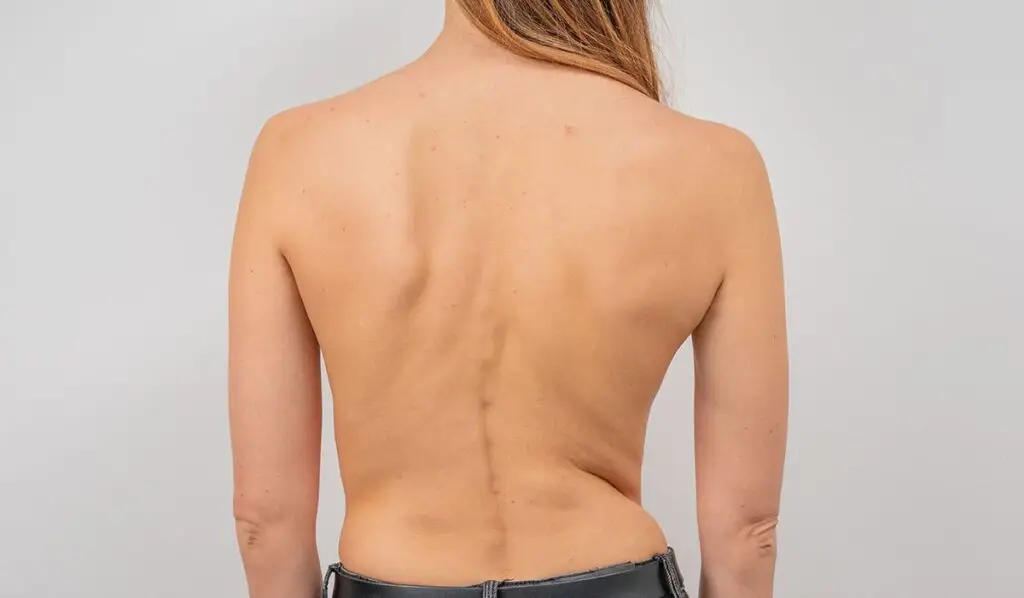
Quick Scoliosis Check: Common Things People Notice
- One shoulder sits higher than the other.
- One shoulder blade sticks out more.
- One hip looks higher, or pants fit unevenly.
- The waist looks more “curved” on one side.
- The body leans slightly to one side.
- A rib or low-back “bump” shows up when bending forward.
What is Scoliosis?
The spine is meant to line up straight when viewed from behind. With scoliosis, the spine curves to the side and also rotates, which can make one side of the rib cage or lower back look more prominent.
Scoliosis can happen at any age. It is often first noticed in childhood or the teen years (mostly idiopathic scoliosis), but it can also develop in adulthood and is related to wear and tear changes in the spine.
Scoliosis can range from mild and barely noticeable to more severe and easy to see. Many children with scoliosis do not feel pain. Adults are more likely to notice pain, stiffness, or nerve symptoms, especially if degeneration or other spine problems are also present.
Where the Curve Happens Matters
Curves can occur in different parts of the spine. A curve in the upper back may change shoulder and rib shape. A curve in the lower back may change how the hips line up and how you stand or walk. Your provider should look at the whole spine, not just one spot.
How Providers Measure Scoliosis
An entire spine X-ray (also know as a scoliosis X-ray) can show the curve and help measure its size. The measurement gives a common way to follow scoliosis over time, especially during growth or when symptoms change. One X-ray alone rarely tells the whole story. Also by examining the patient and measuring the rotation of spine.
Common Guideposts Providers Use (Not Strict Rules)
- Mild curves are often watched over time.
- Moderate curves in growing kids may lead to discussion of bracing.
- Larger or worsening curves, or curves tied to major symptoms, may lead to a surgical consult.
- In adult patients the neurology (leg pain and weakness) as well as worsening of the curve help guide the decision process.
Types of Scoliosis
Providers often describe scoliosis by what causes it, and by when it starts. Knowing the type helps guide the next steps, including how closely to monitor it.
Idiopathic Scoliosis
Idiopathic scoliosis is the most common type in children and teens. “Idiopathic” means there is no single clear cause. It often appears during the growth spurt in the pre-teen and teen years.
- Often found during school years when posture changes are easier to notice.
- Family history can play a role.
- The curve may stay small, or it may grow during rapid growth.
- More commonly found in girls as compared to boys.
Congenital Scoliosis
Congenital scoliosis is present at birth. It happens when one or more spine bones do not form normally before a baby is born.
- May be found during infancy or childhood checkups.
- Some curves stay stable, while others change as a child grows.
- Your provider may recommend closer follow-up during key growth periods.
Neuromuscular Scoliosis
Neuromuscular scoliosis is related to conditions that affect the nerves or muscles that support the spine, such as cerebral palsy or muscular dystrophy.
- May progress faster than other types.
- Care plans often include a team approach with multiple specialists.
- Goals often focus on comfort, sitting balance, and daily function.
Degenerative Scoliosis
Degenerative scoliosis usually develops in adulthood. It is often linked to wear-and-tear changes in the discs and joints of the spine over time.
- More common after midlife.
- May come with back pain, stiffness, and changes in balance.
- Can be associated with arthritis, disc degeneration, or spinal stenosis.
Signs of Scoliosis in Children and Teens
Scoliosis in kids and teens is often noticed because the body looks uneven, not because the child complains of pain. That is why simple observation can be so important during growth spurts.
- Shoulders at different heights.
- One shoulder blade sticks out more.
- Hips look uneven, or the pelvis looks tilted.
- The waistline looks different side to side.
- Clothes do not hang evenly (shirt hems, pant legs, bra straps).
- A rib hump appears when bending forward.
A common clinic screen is the forward-bend test. Your child bends forward with arms hanging down, while a provider looks for rib or back asymmetry. If anything looks concerning, an X-ray can measure the curve and establish a baseline.
When Parents Often Notice It
Parents often notice scoliosis during big growth jumps. Sometimes it shows up in photos, in a swimsuit, or when a backpack sits unevenly. If you see a change, it is reasonable to ask your pediatrician for a quick exam.
Signs of Scoliosis in Adults
Adults can have scoliosis that started earlier in life, or scoliosis that develops later as the spine changes with age. Adults are more likely to notice symptoms, especially back pain and fatigue.
- Low back pain or mid-back pain that slowly worsens.
- Stiffness, especially in the morning or after sitting.
- Feeling tilted or off balance when standing or walking.
- Tiredness in the back or leg muscles after activity.
- Numbness, tingling, cramping, or shooting pain into a leg (when nerves are irritated).
- A visible change in posture, such as leaning to one side.
What Adult Scoliosis Can Feel Like
Adult scoliosis often comes with a mix of muscle fatigue and joint irritation. Some people describe it as an ache that builds through the day. Others notice that standing and walking become harder because the body feels less centered.
When to Seek Care Sooner (Any Age)
- New weakness in an arm or leg.
- New bowel or bladder control problems.
- Severe pain that is rapidly worsening.
- Fever, chills, or unexplained weight loss with back pain.
- A new curve after a significant injury.
Why Early Detection Matters at Any Age
In children and teens, scoliosis curves can change quickly during growth. Catching a curve early allows for careful monitoring and, in some cases, bracing. Bracing is effective when the child is still growing.
In adults, early evaluation matters for a different reason. It helps identify what is driving symptoms, such as arthritis, disc wear, or nerve compression. Early care can improve comfort and function, even when surgery is not needed.
How Scoliosis is Diagnosed
Diagnosis usually starts with a conversation and a physical exam. Your provider will look at posture, shoulder and hip height, and spine symmetry.
If scoliosis is suspected, an X-ray is often used to confirm the curve and measure its size. Providers may repeat imaging over time to see if the curve is stable or changing.
An MRI is not needed for every patient, but it may be recommended in certain situations, such as unusual symptoms, significant nerve pain, or other concerns that need a closer look.
Treatment Options: Bracing, Therapy, and Surgery
Treatment depends on age, curve size, symptoms, and how likely the curve is to change over time. Many people never need surgery. The right plan is the one that fits the patient, not just the X-ray.
Observation and Follow-up
For smaller curves, the plan may be simple monitoring. This usually means periodic visits to track posture, symptoms, and imaging when appropriate.
- Often used for mild curves in growing children.
- Often used for stable curves in adults without major symptoms.
- Helps catch changes early, before they become harder to treat.
Bracing
Bracing is most often used for children and teens who are still growing. The goal is to help prevent the curve from getting worse during growth.
- Best results happen when bracing is started at the right time.
- The brace plan is individualized, including how many hours per day to wear it.
- Regular follow-up is important to make sure the brace fits and is working as intended.
Physical Therapy and Targeted Exercises
Physical therapy can help improve strength, posture, and comfort. Some programs use scoliosis-specific exercises. For adults, therapy often focuses on core strength, flexibility, and safe movement habits.
- May reduce pain and stiffness.
- Can improve balance and endurance.
- Helps build habits that support the spine during daily activities.
Pain Relief Options for Adults
When scoliosis causes pain, treatment may include a mix of activity changes, physical therapy, and medications. Some patients may benefit from injections when pain is related to inflamed joints or irritated nerves. Your provider can help match options to your symptoms.
- Gentle, consistent exercise (walking, swimming, cycling).
- Anti-inflammatory medicines when appropriate.
- Injections for select patients with nerve or joint-related pain.
Surgery
Spine surgery is usually reserved for larger curves that keep progressing, or for people with significant symptoms that do not improve with other treatments. In many cases, surgery involves straightening and stabilizing the spine with implants, then allowing parts of the spine to fuse into a solid position over time.
- Considered when the curve is severe, progressing, or causing major limitations.
- Aims to improve alignment, protect nerves, and reduce symptoms.
- Recovery and outcomes vary by age, curve type, and overall health.
Living with Scoliosis: Daily Tips for Kids, Teens, and Adults
Most people with scoliosis can stay active and do the things they enjoy. The key is a plan that fits your body and your goals.
- Keep regular follow-up visits if you are being monitored.
- Stay active with exercises that feel good and are safe for you.
- Build core and hip strength, since these muscles help support posture.
- Pay attention to ergonomics at school and at work, especially your chair, desk height, and screen position.
- If you have pain, treat it early. Small changes can prevent bigger flare-ups.
Exercise Regularly
Exercise is usually encouraged, unless your provider tells you otherwise. Movement supports strength, mood, and overall health.
- Walking and swimming are common go-to options.
- Strength training can help when done with good form and smart progression.
- Stretching and mobility work can help with stiffness.
Join a Scoliosis Support Group
Support groups can be helpful for both patients and families. They can offer a place to share experiences and learn practical tips.
- Connect with others who understand what you are going through.
- Get ideas for school, sports, work, and daily comfort.
- Feel less alone, especially during treatment decisions.
Final Thoughts: Scoliosis Does Not Have to Hold You Back
Scoliosis is a real condition, but it is also manageable. Many curves are mild and only need monitoring. When treatment is needed, options range from bracing and therapy to surgery. If you notice signs of scoliosis, or if back pain is starting to affect your life, talk with a provider so you can get clear answers and a plan that fits.
Listen to Our Podcasts
Caring for Children with Scoliosis: Expert Insights for Families
https://www.youtube.com/watch?si=itVkA9RxrOfYTnsb&v=RpuS3ztRMWM&feature=youtu.beLearn how scoliosis is diagnosed in children, the treatment options available, and what parents can do to support their child through this journey from Dr. Julio J. Jauregui, a Spine Surgeon at University of Maryland Medical System and R Adams Cowley Shock Trauma Center, and an assistant professor in the Departments of Orthopedics and Neurosurgery at University of Maryland School of Medicine. Watch the interview below.
Adult Scoliosis
Usually diagnosed during childhood and adolescence, scoliosis can also develop in adults. Most cases are mild, but the degree of the curve in the spine determines how much treatment is needed. Learn from Dr. Daniel Cavanaugh, a spine expert and member of the UM Spine Network, what causes adult scoliosis, what treatments are available, if it can be prevented and more. Listen to the podcast on YouTube or below.