
Based on an interview with and medically reviewed by Ben Diffenderfer, PA-C, MS.
The Estrogen Connection
Bones are not static. The body is always breaking down old bone and building new bone to replace it. This process stays in healthy balance throughout much of a woman’s life. Estrogen plays a key role in keeping that balance. When estrogen levels drop during menopause, the balance gets thrown off.
The cells that break down bone become much more active. At the same time, the cells that build new bone become less effective. The result is a steady loss of bone mass that grows worse over time. The hormonal changes of menopause also affect progesterone and testosterone, both of which play a role in bone building. Together, these shifts make the menopausal years a critical time for bone health.
A Silent Condition
One of the biggest challenges with bone loss is that it causes no symptoms. There is no pain. There is no warning sign. There is no moment when a woman knows her bones are becoming more fragile. For many women, the first sign is a fracture. Sometimes from a fall, and sometimes from a minor impact.
Because of this, knowing your personal risk factors is important. The following reasons are important:
- Family history of hip or spine fractures
- Use of certain medications like oral steroids or acid reflux drugs
- Previous fracture in adulthood
- Reaching perimenopause or menopause
The DEXA scan, also called a bone density scan, is the main tool used to diagnose osteoporosis and assess fracture risk. A risk assessment tool called the FRAX can also help identify women who need earlier evaluation. It factors in age, weight, family history, and other key variables.
When to Get Screened
Traditional guidelines have suggested bone density screening starting at age 65. But many leading bone health organizations now recommend earlier and broader screening.
Women who are perimenopausal or postmenopausal, anyone over 50 who has had a low-impact fracture, and those taking medications known to affect bone density should all consider getting a baseline scan sooner. Talking to a primary care provider or OB-GYN is a good place to start.
Protecting Your Bones
There is a great deal women can do to slow bone loss and keep their bones strong. Nutrition is one of the most important pieces. Calcium and vitamin D3 are the two most critical nutrients for bone health. The daily calcium target is around 1,000 to 1,200 milligrams. Food sources are better than supplements when possible. This is because the body absorbs calcium more effectively from food. Top sources of calcium include dairy products (milk, yogurt, cheese), leafy greens (kale, broccoli), fatty fish (salmon, sardines with bones), nuts (almonds), seeds (chia), beans, and fortified foods such as orange juice and soy products. Most people also need to supplement with vitamin D3, since it is hard to get enough through diet alone.
Other nutrients (magnesium, zinc, vitamin K, and phosphorus) also support bone strength. These elements are worth discussing with a healthcare provider.
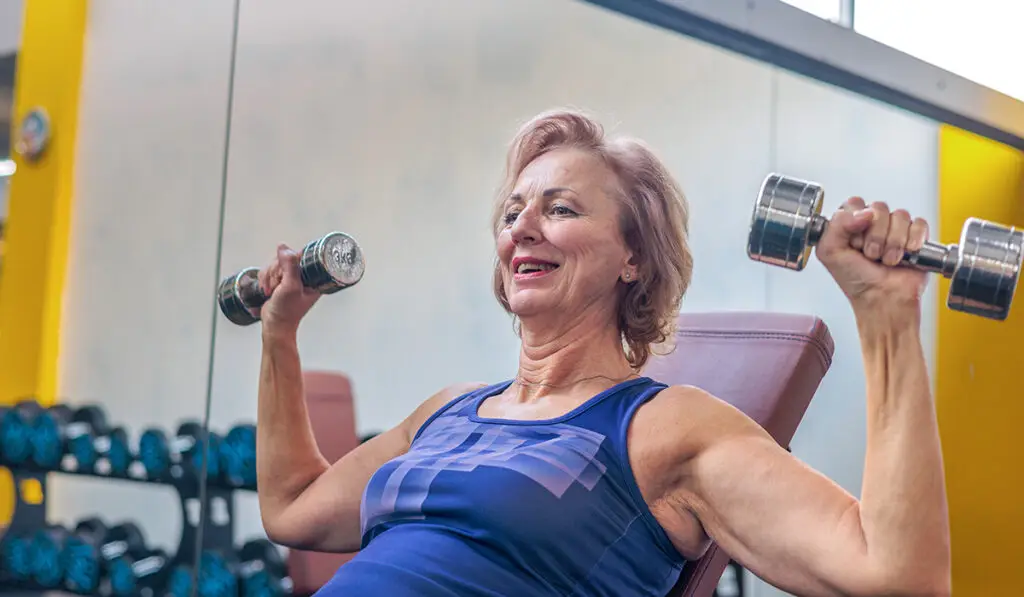
Exercise is as important as nutrition. Bones respond to physical stress the same way muscles do. When challenged, they get stronger. Weight-bearing activities and progressive resistance exercises are especially helpful. Working with a physical therapist or trainer who understands bone health can help ensure women perform those exercises safely. Muscle health matters too. Muscle loss and bone loss tend to go hand in hand as the body ages. So, keeping muscles strong is part of keeping bones strong.
The earlier women build these habits, the better. Still, it is never too late to start making a difference.
A Condition Worth Taking Seriously
Osteoporosis is widely under-recognized and undertreated. Many women do not find out they have significant bone loss until after a fracture has already occurred. There is good news, though. With the right screening, the right nutrition, and the right exercise habits, bone loss can slow down and fracture risk lessens.
If you are approaching menopause, already in menopause, or want to better understand your bone health, talking to your doctor is a great first step. Ask about your risk factors, ask about screening, and ask what you can do now to protect your bones for the long term.
Listen to a Podcast
This article comes from a conversation from the Live Greater podcast series, brought to you by the University of Maryland Medical System (UMMS) and hosted by Amanda Wilde. Ben Diffenderfer, orthopedic physician assistant and leader of the Bone Health Program and Bone Health Clinic at University of Maryland Upper Chesapeake Health, shared his expertise on bone health during menopause and how women can take a proactive approach. Listen to the full episode below and explore more topics at umms.org/podcast.
Take Charge of Your Bone Health
You do not have to wait for a fracture to start paying attention to your bones. The University of Maryland Medical System has experts across Maryland who can help you understand your risk, get the right screening and build a plan that works for your life. Reach out today to take the first step.
- Osteoporosis Clinic at UM Baltimore Washington Medical Center in Anne Arundel County
- Osteoporosis Care at UM Capital Region Health in Prince George’s County
- Osteoporosis Center at UM St. Joseph Medical Center in Baltimore County
- The Orthopedic Center in Easton at UM Shore Regional Health on the Eastern Shore
- Osteoporosis Clinic at UM Upper Chesapeake Health in Harford County
- Orthopedics at University of Maryland Medical Center in Baltimore
- Orthopedics and Endocrinology Colaboration or Osteoporosis at UMMC – Midtown Campus in Baltimore