
Medically reviewed by Sarah M. Edwards, DO.
Chronic illnesses are conditions that last a year or longer and require ongoing medical care. About 30% of children in the U.S. have a chronic illness, which is up from 26% in 2011. Examples of chronic diseases include attention-deficit/hyperactivity disorder (ADHD), asthma, autism, cerebral palsy, diabetes, hearing, vision or speech problems, learning disabilities, and seizure disorders.
Just as adults may feel depression, anger or anxiety when they are diagnosed with a health condition, children are also impacted mentally and emotionally by long-term conditions. Children with chronic health problems are more than twice as likely to face mental health issues. Their feelings, social life and mental state influence their thinking and behavior. This can be especially important to manage, as they will be in their formative years, learning about self-esteem, consequences, and who they are. Health care professionals and caregivers must keep in mind how the child’s illness affects their mental health and development and give them the tools they need to thrive. A whole-person approach to care is essential for supporting the mind, body and feelings of these children.
Causes of Mental Health Crises in Children with Chronic Illnesses
The impact of chronic illness on the mental health of children can be caused by many factors, including:
- Medical Care: Health care appointments and hospital stays can be tiring and stressful.
- Physical and Social Limits: Children with chronic illnesses may miss out on activities. This absence can lead to frustration or anger.
- Medication Side Effects: Many drugs may lead to irritability, mood swings and fatigue.
- Uncertainty: Children may feel anxious about their health and how others perceive them.
- Family Stress: Chronic illness in a child can place stress on the entire family. Children often feel like they are a burden to their families and stress can then lead to tension or hard feelings, especially among siblings.
How to Support Mental Health in Children with Chronic Illnesses
- Early Support: Start helping children as soon as they receive a diagnosis.
- Open Communication: Encourage children to talk about their feelings.
- Fun Activities: Offer enjoyable tasks to lift their spirits and keep them engaged.
- Routine Building: Create a daily schedule to give them structure.
- Peer Connections: Help children meet others who understand their struggles.
- Family Involvement: Include family members in care and support plans.
- Professional Support: Reach out to therapists or counselors.
- Educational Support: Work with schools to ensure proper support.
- Healthy Lifestyle: Eat well, stay active and get enough sleep.
- Mindfulness Techniques: Try calming activities such as deep breathing and meditation.
To cut down on mental health crises, early intervention and a team approach are crucial. Some strategies may include the following:
- Integrated care models: Include mental health experts in the care team. This step ensures that routine visits meet emotional needs.
- Routine mental health screenings: Do regular check-ins to spot issues early. This process helps prevent problems from getting difficult to handle.
- Education and empowerment: Teach children about their illnesses in age-appropriate ways. This strategy helps them feel more in control and less scared.
- Family Support Programs: These programs feature parents, caregivers and siblings. They focus on therapy, education and support groups.
- School support: Work with the child’s school for help. This step helps the child maintain their academic and social development.
How to Know if Your Child Needs Help
A 2019 study showed that about 11.5% of kids aged 6 to 25 with chronic health problems face mental health issues. This number was 50% more than for children without chronic health conditions. Caregivers can focus on the leading causes and find ways to help.
Isolation and Social Exclusion
Children with chronic health conditions often miss school and social activities. Their symptoms, treatment plans, or physical limits prevent them from participating. Over time, this may result in low self-esteem, loneliness and issues with identity. Teens often face problems with body image and fitting in. These feelings can be more difficult if their condition impacts their appearance or abilities.
Support children who feel alone or left out because of their illness by encouraging peer interactions. Getting children involved in a support group can also be helpful.
Anxiety and Fear Related to Medical Procedures
Many children with health issues must repeat tests, treatments and surgeries. All these medical procedures can cause a lot of anxiety in children. Anxiety is especially present if there is pain. Children are also nervous when they don’t understand what’s happening.
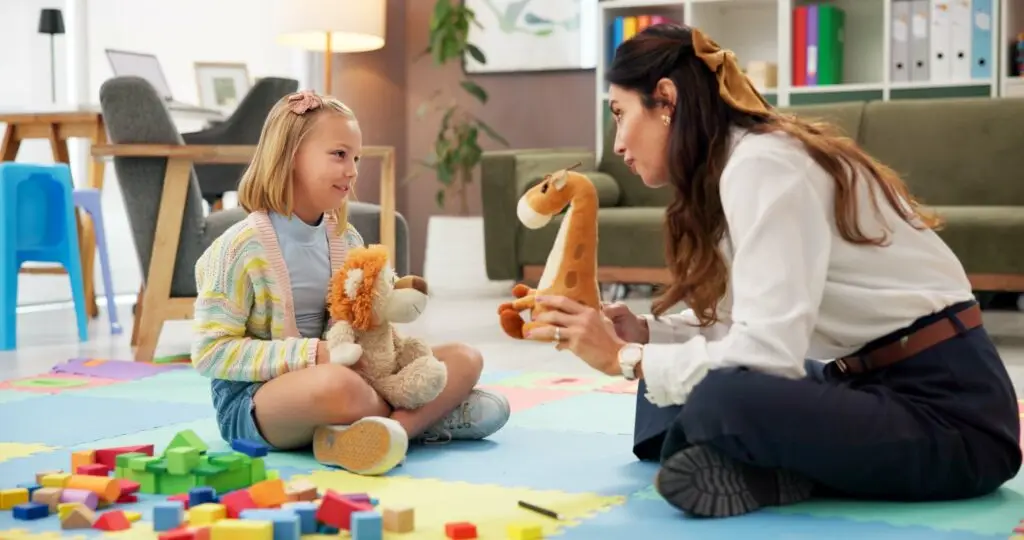
Child life specialists can help. They use play and education together to make the process easier. You can teach coping strategies like deep breathing, distraction and mindfulness. These practices can reduce anxiety and fear.
Parental and Family Stress
Family environments affect children in significant ways. Children notice when their parents are anxious, overwhelmed, or sad. Siblings might feel neglected or jealous. Counseling or respite services can help caregivers and families cope with the stress.
Academic Pressure and Missed Milestones
Chronic illness can affect school attendance and performance. This situation may lead to frustration and decreased confidence. Missing childhood milestones, such as camps or sports, can make children feel alone.
Collaborating with the school and support staff can help ensure success. Creating IEPs or 504 plans helps children get the support and accommodations they need. Tutoring and virtual schooling can help lower academic stress and boost self-esteem.
Depression and Hopelessness
When the illness is severe or the outlook is unclear, children may show signs of depression. They might feel irritable, sad or withdrawn. They could also have thoughts about suicide. Younger children often find it hard to share their feelings.
Early and regular mental health screenings are key to detecting depression cases. Therapeutic methods help children process their experiences. In some cases, medication may be necessary.
Caring for the mental health of children with chronic illnesses is complex. This care requires a kind, well-rounded approach. Health care workers and caregivers can help children grow and succeed. They can do this by recognizing psychological risks and setting up support systems. A future in which every child receives comprehensive care is essential. This care should value emotional wellness as well as physical health.