
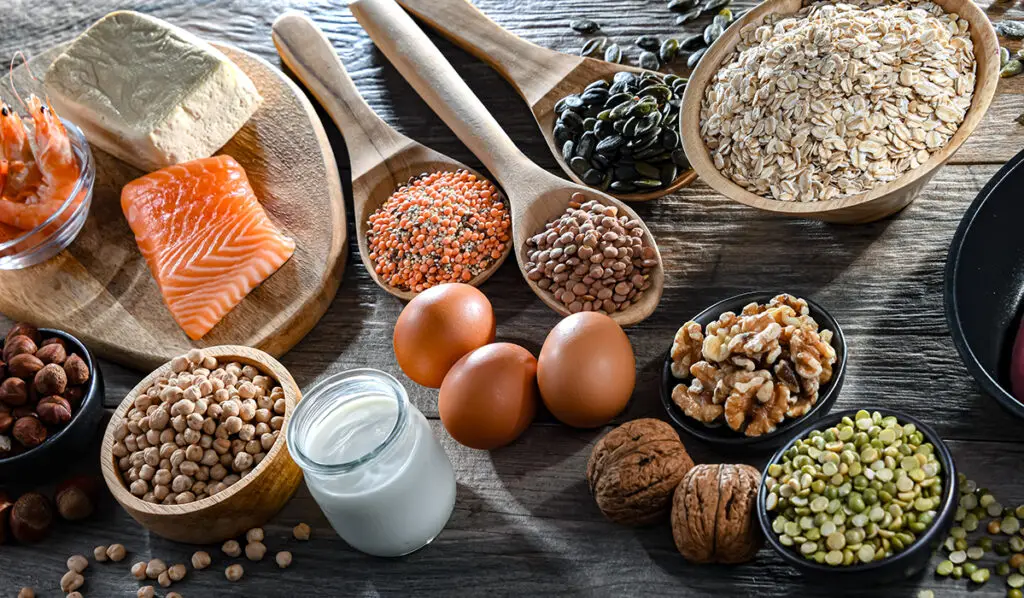

Written by Michael Reavis Jr, MS, RD, LDN, CSSD, Registered Dietitian at University of Maryland Medical Center Midtown Campus
It’s safe to say that eating protein is in, and the reasons are many:
- Protein makes people feel full longer than many other foods, which can help with weight loss.
- It helps preserve and build muscle.
- It helps stabilize blood sugar.
How Much Protein Do I Actually Need?
A general guideline of how much protein we need is just under half your body weight in grams daily (about 80–90 grams for a 180-pound person), with higher needs for those who are very active or have specific health considerations.
Here are five tips on sustainable ways to meet your protein needs:
1. Start Early
With busy schedules, breakfast often becomes a meal we grab as we’re running out the door. If you’re more of a liquid-breakfast person, try adding a protein shake or drinkable Greek yogurt. If you’re grabbing a granola bar or fruit, consider hard-boiling eggs at the start of the week or pairing your snack with to-go nut- or seed-butter cups. Here are 5 Meal Prepping Tips to Make Life Easier (and Healthier).
2. Prioritize Protein As Snacks
If you work a sedentary job (primarily sitting at a desk), the need for quick energy from carbohydrate-rich snacks is usually lower, while long-lasting energy is more beneficial. Protein makes a great snack choice. Some of my favorites include a ranch dip made with low-fat Greek yogurt and veggies, 2 ounces of low-sodium beef jerky, or even leftover grilled chicken from the night before. Try these 15 Portable and Healthy Snacks for Kids (and Adults!)
3. Make it Plant-Based
When we think of protein, meat, dairy, fish and eggs often come to mind. However, recent studies suggest that there is a wide variety of plant-based protein sources and that these options offer benefits for long-term health. Don’t forget about lentils (18 grams per cup), edamame (17 grams per cup), tofu (20 grams per cup), and other plant-based sources when planning meals.
4. Get Comfortable Preparing and Cooking it
One of the biggest challenges I see when working with clients and patients is comfort in the kitchen. Cooking can be intimidating on its own, and concerns about foodborne Illness can make preparing protein especially stressful. A few tips to build confidence:
- Start with thin cuts or slices — they cook quickly and it’s easier to tell when done.
- Try shrimp; it cooks fast and is typically done after sauteing about 3 minutes per side.
- Sear protein in a pan for a few minutes on each side, then finish it in the oven — this locks in flavor and lets the oven do most of the work.
- Ask AI! Some of my favorite recipes come from it, and I often use it to double-check cooking times and methods.
5. Prioritize Consistency
Although we experience life day by day, our bodies function second by second, continuously carrying out processes that require specific nutrients. Proteins are best utilized when they are spaced throughout the day. Try adding a small amount at breakfast (like almonds in oatmeal); adding it to lunch (roasted edamame or chickpeas instead of croutons on a salad); including it in snacks; and building balanced, satisfying dinners around it.
More to Read
- Plant-Based Protein Can Meet Your Nutritional Needs
- Nutrition for Athletes: Fueling Your Performance
- Eat to Heal: Nourishing Nutrition During Cancer Treatment
- Good to Go: 15 Portable and Healthy Snacks for Kids (and Adults!)
- Food Safety: Keep Your Meals Safe and Delicious
- 5 Meal Prepping Tips to Make Life Easier (and Healthier)