
Medically reviewed by Lizzy Katz, RD, CDCES
Chances are, you’ve heard of meal prepping. You’ve probably also heard about all of the time and effort that goes into it. At first thought, meal prepping sounds like it’s adding even more work to your already jam-packed nights and weekends. But on the contrary—meal planning and meal prepping can make your life easier.
What Is Meal Prepping?
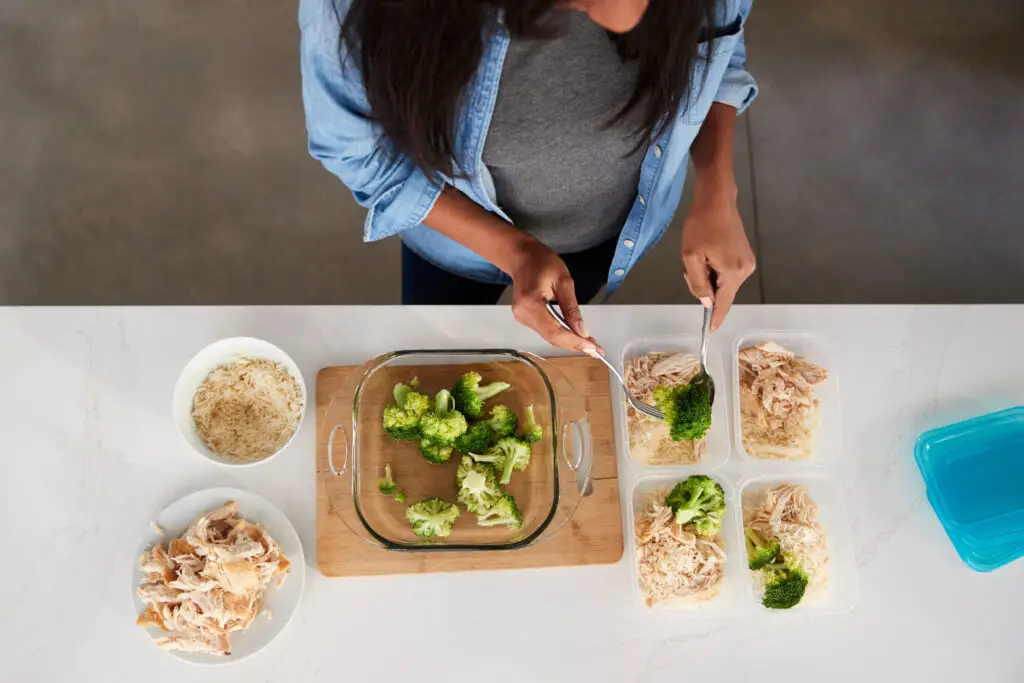
Meal prepping, short for meal preparation, is the method of preparing full meals or individual ingredients ahead of time. You might cook meals in big batches in a slow cooker and divide them into portions. You can also prepare ingredients, like chopping vegetables and cooking grains, ahead of time to use in various dishes later when you don’t have much time to cook.
Less Stress, More Time: Benefits of Meal Prep
Many nutritionists agree that preparing your ingredients ahead of time and cooking multiple meals for the week have several advantages.
Saves Time
By dedicating a few hours to chopping vegetables, cooking grains or even fully preparing cooked meals, you significantly cut down on the daily cooking process. This strategy saves considerable time during busy weekdays.
Less Expensive
Eating out frequently or relying on last-minute takeout can quickly drain your wallet. By knowing exactly what you plan to eat, you can create a precise grocery list. This helps you avoid impulse buys, save money and reduce food waste. Meal planning allows you to be strategic with your grocery shopping and take advantage of sales and ingredients you already have on hand.
Makes Eating Healthy Easier
Planning your meals in advance helps prevent you from choosing unhealthy, quick options, such as frozen dinners, when you’re hungry or tired. You’re also more likely to keep your meals balanced and full of the essential nutrients you need, like vitamins, minerals, protein, healthy fats and carbohydrates. When you eat more balanced meals, you are less likely to eat foods that are high in unhealthy fats, sodium, cholesterol and added sugars.
Easy Meal Prep Hacks: Practical Tips to Get Started
1. Create a Menu
Before you start meal prepping, write down what you enjoy eating and how you’ll make meals. You can even download a menu template and post it for easy visibility. Consider any special nutritional needs you or your family have, and then start searching for meal-prep recipes. You should also aim to include all food groups in your meals to keep things balanced and nutritious. If your plan includes items that are on sale at your local grocery store, you can save even more money!
2. Create (and Stick to) Your Grocery List
Before you shop for ingredients, create a list of all the items you need, based on your menu. It’s a good idea to check your cabinets, pantry, fridge and freezer first. Consider using grocery shopping apps, which can help you sort your list by category and even suggest stores with the best prices. Some stores let you order ahead and pick up your items at no extra charge, saving even more time and preventing impulse buying.
3. Stock Up
A main part of meal prepping is stocking up on the foods you plan to use. Use these key ingredients as a guide:
- Fruits: Dried fruits like raisins and apricots are great pantry staples and last for weeks or months. Frozen berries and other fruits also store well in the freezer for several months.
- Grains: Keep oatmeal, whole-grain cereals, barley, farro, quinoa, rice and whole-grain pasta in your pantry. Whole-grain corn tortillas and bread also freeze well.
- Meats and protein: Canned or dried lentils and beans are excellent pantry staples, as are canned tuna, salmon, anchovies and sardines. For the freezer, stock salmon filets, other fatty fish, lean meats and poultry.
- Vegetables: You can chop and store your favorite vegetables or buy them frozen. You can also opt for canned vegetables, but choose low-sodium versions and remember to drain and rinse them before use.
Don’t forget to stock up on low-sugar and low-sodium condiments, healthy oils, vinegars, low-sodium stocks, herbs and spices, and your favorite seeds.
4. Start Small: Meal Prep Just One Meal or Ingredient
If you’re new to this, don’t try to prepare breakfast, lunch and dinner for an entire week at once. For the first few days or weeks, focus on one meal, like breakfast. For example, you can make several jars of overnight oats at once or boil eggs and store them in the refrigerator. These ingredients are also easy to prepare in bulk:
- Brown rice
- Chopped vegetables, like lettuce, carrots or kale
- Shredded rotisserie chicken
As you become more comfortable with meal prepping, gradually add other meals, such as lunch and dinner.
5. Store Your Foods Correctly
Proper storage is key to keeping your prepped foods fresh and safe. Before meal prepping, make sure you have enough glass jars, storage bags and containers. Always put dates on packages before storing them in the freezer. Try to use the first-in, first-out method, which uses the oldest items first.
Start Your Meal Prep Journey with Confidence
Meal prepping has a few key basics, like planning ahead, creating a grocery list and properly storing food. Once you master those, you’ll see that meal prepping can be flexible and fun. Customize your meals to fit your personal tastes and preferences. The goal is to make your life easier, so experiment and find a routine that works best for you.
More to Read
- Good to Go: 15 Portable and Healthy Snacks for Kids (and Adults!)
- Behind the Wrapper: What You Should Know About Processed Foods
- Which Diet Plan Is Right for You? Here’s How to Narrow Your Options
- How Portion Control and Mindful Eating Can Benefit Your Health
- Filling Your Plate with Foods that Lower Cholesterol
- Be a Good Role Model: Building a Healthy Lifestyle With Your Kids