

Arlene Nicola Logan, 49, struggled with her weight for years, trying various diets and workouts without long-term success. The Hyattsville resident faced a turning point when she reached her highest weight of 289 pounds. “I realized I had gained 50 pounds in what felt like no time at all,” Logan said. “I started feeling the effects of obesity in ways I couldn’t ignore. My feet stayed swollen all the time, and my doctor had me check my blood pressure three times a day. I finally got to a point where I realized I needed help. I couldn’t do it alone.” Logan, an instructional designer and eLearning developer, began researching her options.
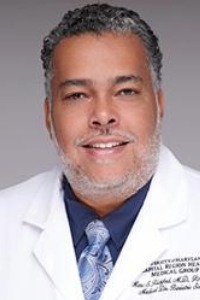
After meeting with Marc S. Rickford, MD, medical director of bariatric services at UM Capital Region Health, and bariatric program coordinator Cathy Todd, RN, MSN, she decided surgery was the right path for her. “It has been life-changing and one of the best decisions I’ve ever made for myself,” Logan said. “It wasn’t just about losing weight. I wanted to feel better, have more energy and improve my overall health.”
Maximizing Your Chances For Success
Dr. Rickford, Todd and the entire bariatric program team are dedicated to helping people like Logan find the right tools to achieve their health goals. Several weight loss options are available, including physician-supervised medical weight loss and two types of gastric surgery, in addition to nutritional therapy.
New patients first meet with Todd to learn about their options and begin developing a long-term plan. “A big part of what I do is helping people carve out their perception of wellness,” she said. “We talk about setting realistic goals, and I help them figure out how they can become the healthier person they desire to be and how to do the work that’s necessary to remain there.”
A Personal Journey
Each patient’s weight and general health play a significant role in determining the most appropriate method of weight loss. “Some people have medical conditions associated with obesity, such as high blood pressure, diabetes and obstructive sleep apnea,” Dr. Rickford said. “Weight loss will help improve those things. So based on their overall health, we’ll decide together what would be best for them.” This might mean starting with physician-supervised medical weight loss and having surgery down the road. “Some candidates choose physician-supervised medical weight loss first,” Dr. Rickford said. “Depending on how successful that is, they may elect to have surgery as well. With other candidates, we might recommend people lose weight with a supervised medication program first to better prepare them for surgery.”
Changes For Better Health
No matter which method of weight loss someone pursues, making lasting changes is the most crucial piece of the puzzle. “I stress to people that both surgery and medication are tools that will help them maintain a healthy lifestyle and a healthy weight,” Dr. Rickford said. “To have success over a lifetime, they have to change their habits.” Regina Gill, MS, RD, LDN, nutritionist at UM Capital Region Health, works with all weight loss patients to help them better understand nutrition and set up personalized eating plans. In addition to teaching the basics, such as how what you eat affects your health and weight, Gill focuses on developing habits that will last. “I specialize in allowing people to still enjoy food and not be too restrictive but to find tasty alternatives,” Gill said. “I call them mindful swaps. It’s about being more deliberate about your food choices. You can enjoy food but still stay focused so that you can meet your goals.”
Establishing Healthy Habits

Most people in a weight loss program see Gill for at least six months and continue to have annual visits even after reaching their initial goals. This is especially important for people who have bariatric surgery. They can experience vitamin deficiency and loss of muscle mass due to lack of protein if they don’t follow their diet and take the necessary supplements. “You have to adjust your thought process and relationship with food to be successful,” Gill said. “It’s so important to learn how to eat differently than you were before and then make sure you are not falling back into old habits over time.” People who have surgery also continue to meet with Todd to manage the emotional side of eating. “I talk with people about their feelings around food, their motivation to eat, their approach to eating and their overall relationship with food,” Todd said. “We talk about embracing positivity every day and taking authority back instead of letting food have power over them.”
Lifelong Support
Once someone decides to have bariatric surgery at UM Capital Region Health, they have lifelong support on their journey, which begins even before the procedure. People scheduled for surgery are encouraged to attend a support group to meet people who have already gone through the program and learn from their experiences. After their procedure, patients have the option to continue attending weekly virtual support group meetings where they can connect with others who have had bariatric surgery and discuss challenges and successes. Meetings also include cooking classes and exercise activities. Walking, running and seated exercise groups are also available. “For me, the support group was a game-changer,” Logan said. “I had the chance to connect with people at all different stages of the journey. Hearing their experiences made me feel so much more prepared and confident going into surgery. The support group continues to be an important resource on my journey today.”
You Are Not Alone
Following surgery, patients also continue to meet with Gill and have regular appointments with Dr. Rickford. “I encourage my patients to see me forever,” Dr. Rickford said. “This leads to the best outcomes. I don’t want people to think surgery is an immediate cure. It is a lifelong commitment.” The team also checks in with patients on a one-on-one basis. “The team is always there for me, whether it is checking in on my progress, answering my questions or just helping me figure out my new eating habits,” Logan said. “It’s a total mindset shift, and the team helps me through it with ongoing support, nutrition advice and encouragement.
Understanding Surgical Weight Loss Options
Gastric bypass involves closing off a large portion of the stomach to create a small pouch that connects to the lower part of the small intestine. This limits the amount of food you eat and the calories and nutrients your body absorbs.
Vertical gastric sleeve is the most common procedure and has a lower risk for complications than gastric bypass. It involves removing most of the stomach and stapling closed the remaining part. This limits the amount of food you eat and reduces your appetite. Both procedures come with a risk for vitamin deficiency, making it extremely important to follow your provider’s instructions for eating and taking vitamin supplements for the rest of your life