
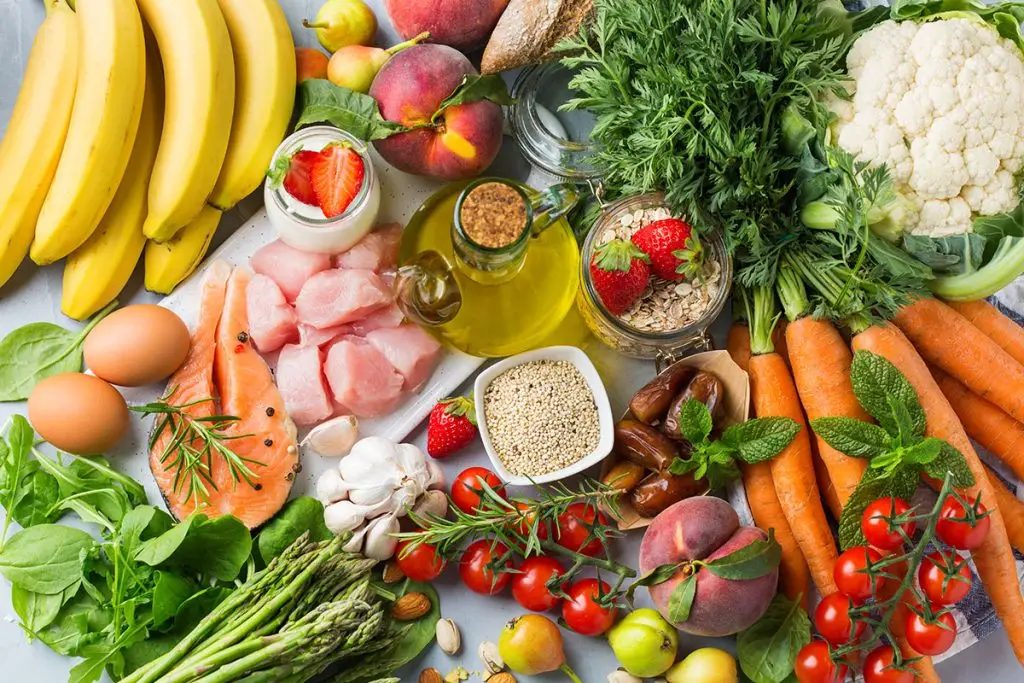
You might not be able to take a dream vacation to the crystal blue waters of the Mediterranean, but eating like the people who live near those waters can have its own rewards. The Mediterranean diet isn’t based on the food of any particular country, but rather a similar style of eating across the region. The diet is centered around vegetables, whole grains, nuts and nut butters, seeds, beans, lentils, fruits and fish, while also light on meats, dairy and eggs. Unlike low-fat diets, olive oil is encouraged in moderation, while fats such as butter and margarine are avoided.
Research shows heart-healthy benefits
The Mediterranean diet has been studied for decades, and compelling research—including the long-term Women’s Health Study involving tens of thousands of participants—consistently demonstrates that it improves heart health and overall mortality rates. Additional research includes the PREDIMED trial, which linked the diet to a lower risk of developing Type 2 diabetes, and the Nurses’ Health Study, which showed women with this pattern of eating were almost 50% more likely to age healthily.
How to get started
It can be hard to adjust your eating habits, but the positive changes that come from incorporating more produce into your diet are worth the effort. Try easing into a Mediterranean diet by making these adjustments:
- Cut back on meat. Instead of a whole steak, slice strips and add them to a salad.
- Swap bread for a side of bulgur or farro.
- Eat vegetarian meals at least one day a week.
- Make fresh fruit part of your breakfast or dessert instead of pastries or cookies.
What’s in a Mediterranean diet?
- Every meal should have some combination of vegetables, nuts, legumes, beans, whole grains, seeds, herbs and fruit. Use olive oil as your healthy fat.
- Eat fish or seafood at least twice a week. Look for oily fish high in omega-3 fatty acids, such as salmon.
- Eat poultry, low-fat dairy and eggs no more than two or three times a week.
- Save red meat and sugary sweet treats for special occasions.
- Drink plenty of water.
- Don’t overconsume alcohol, but an occasional glass of wine is fine.
More to Read
- How Much Should You Eat?
- How to Eat a Plant-Based Diet
- Plant-Based Protein Can Meet Your Nutritional Needs
- What are good fats?
Medically reviewed by Brooke Sawicki, RD, LDN.