
Based on a podcast and medically reviewed by Adam Miller LCPC
Every parent has seen it: the toddler who dissolves over a broken cracker, the 8-year-old who can’t bounce back from losing a game, the teenager who shuts down at the first sign of conflict. Big feelings are a normal part of childhood. Learning to understand, manage and work through those feelings is the work of emotional development.
Emotional Resilience Is More Than Just Moods
Emotional development in children refers to the growing ability to recognize, express and manage feelings, and to understand the feelings of others. It unfolds gradually alongside physical and cognitive growth, and it lays the groundwork for everything from academic performance to the quality of a child’s relationships as an adult.
Social-emotional development begins in infancy, long before a child can put feelings into words. A baby smiling to get attention, a toddler showing pride after stacking blocks and a preschooler beginning to recognize when a friend is upset are all early examples of emotional development in action.
5 Broad Stages of Emotional Development
While every child develops at their own pace, clinicians generally describe emotional growth across five broad stages:
- Baby (Birth to 1 year): Infants focus on building a foundation of trust. They begin forming deep emotional bonds, expressing basic feelings like joy and distress and learning to “read” and respond to their caregivers’ cues.
- Toddler (1 to 3 years): This is a stage of emerging independence. Children start identifying their own emotions and testing boundaries. Because their feelings often outpace their ability to self-regulate, tantrums are a normal part of learning how to navigate the world.
- Preschool (3 to 5 years): As social worlds expand, children begin to develop empathy and “Theory of Mind” — the understanding that others have different perspectives. They start learning to manage frustration and cooperate more during play.
- Grade School (5 to 12 years): Emotional vocabulary grows significantly as peer relationships become central. Children begin to navigate more complex social hierarchies, develop a sense of self-esteem through their accomplishments and learn to manage school-related stress.
- Teen (13 to 18 years): Identity formation takes center stage. Teens experience heightened emotional sensitivity due to brain development and are learning to regulate intense feelings as they gain increasing independence and less direct parental guidance.
How Children Show Emotional Growth
Emotional growth doesn’t always announce itself. Parents may notice it in small moments: a child who once melted down over transitions now takes a breath and keeps going; a child who used to lash out when frustrated instead says, “I’m really mad right now.” These shifts are meaningful signs of progress Signs that a child is developing emotional health include an expanding vocabulary of feelings, the ability to recognize emotions in others and a better capacity to recover after disappointment. Strong, trusting relationships — with caregivers, teachers and peers — are both a sign and a driver of healthy emotional development.
When Emotional Development Stalls
Emotional development can be interrupted by a range of factors. Adverse childhood experiences, chronic stress, trauma, inconsistent caregiving and some neurodevelopmental differences can all affect a child’s ability to build emotional skills on a typical timeline. A 2024 study in Preventing Chronic Disease found that parent-reported mental, behavioral and developmental disorders in children rose between 2016 and 2021 — a reminder that many children may be facing more than they are equipped to handle on their own. Warning signs worth noting include persistent difficulty calming themselves after upsetting events, significant trouble forming or maintaining friendships, intense emotional responses that seem disproportionate to situations, or a noticeable regression to how they handle situations during times of stress. If these patterns linger or worsen, a conversation with your child’s primary care provider or behavioral health professional is a good starting point.
Building the Skill, One Moment at a Time
Resilience — the ability to bounce back from setbacks — isn’t something children are simply born with or without. It is a skill that grows through practice. As a parent, you provide the foundation for that strength during everyday moments of connection. Here are four habits you can start today to help your child develop a “bounce-back” mindset:
- Name feelings out loud — both your own and your child’s. Emotional vocabulary is a tool, and children learn it by hearing it used.
- Show, don’t just tell. Children learn how to handle big feelings largely by watching the adults they trust most.
- Always circle back. Returning to a difficult moment once things are calm and talking it through teaches children that relationships can survive hard emotions.
- Create predictable routines. Consistency and safety are the soil in which emotional resilience grows.
Everyday Activities That Support Emotional Development
Parents don’t need a curriculum to support their child’s emotional growth. Simple, consistent practices matter most:
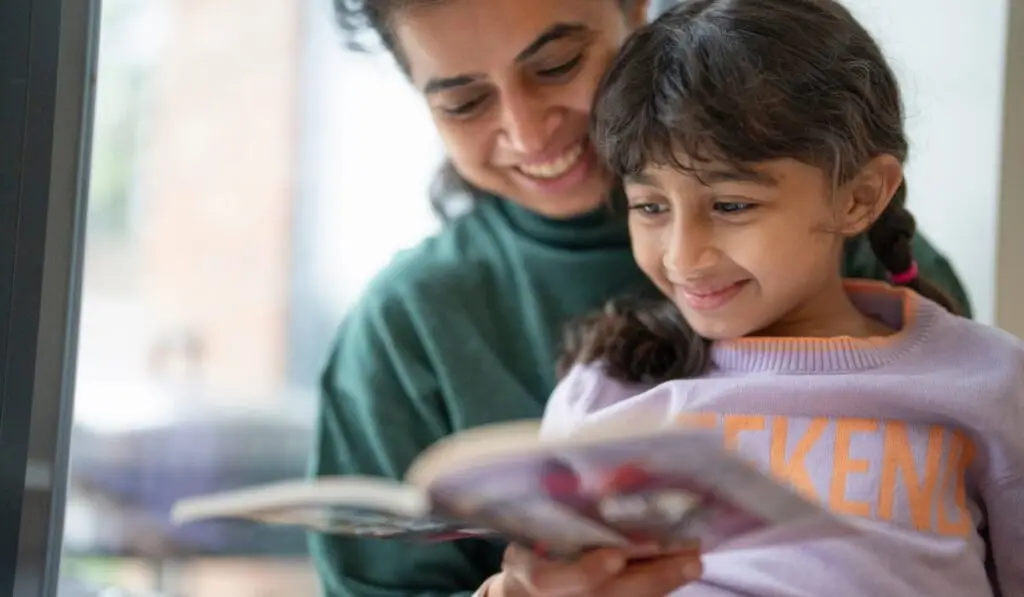
- Read together and pause to talk about the characters’ feelings. Ask questions like “Why do you think she felt scared?”
- Play feeling-identification games with younger children using pictures or puppets.
- Maintain family rituals, including shared meals, bedtime routines or check-ins that create space for connection.
- Celebrate emotional wins, not just academic or athletic ones. You can say, for example, “I noticed you stayed calm when that was really hard. That took a lot of strength.”
- For older children and teens, ask open-ended questions. These tend to open more doors than direct interrogation.
Bottom Line
Raising an emotionally resilient child isn’t about protecting them from every hard feeling. It’s about building the relationships and skills that allow them to deal with hard feelings — and come out the other side. If you’re concerned about your child’s emotional development, or if your family is navigating something that feels too big to handle alone, a licensed counselor who specializes in adolescent and family care can help you.
Listen to a Podcast
Growing up comes with stress, frustration and disappointment — and that’s okay. In this Live Greater podcast interview, discover how resilience skills emerge as kids learn to name feelings, solve problems and navigate challenges, and get guidance on how parents can support emotional growth without overprotecting. Featuring Adam Miller, LCPC, LPC, Manager of the Klein Family Center at University of Maryland Upper Chesapeake Health.