
Breast self-exams are an effective way women can monitor their breast health in between annual screenings. However, just because you find a lump in your breast doesn’t mean it is necessarily cancer. In fact, breast lumps are quite common.
The tissue that makes up the majority of the breast is something that can feel lumpy and bumpy at all times of the month. That’s because this tissue, called fibrocystic tissue, is the sort that can feel like it has this kind of texture. Feeling more lumps and bumps in the breasts can be more common during the week leading up to your period because the tissue can become larger and grow at that time.
Setting a “Baseline”
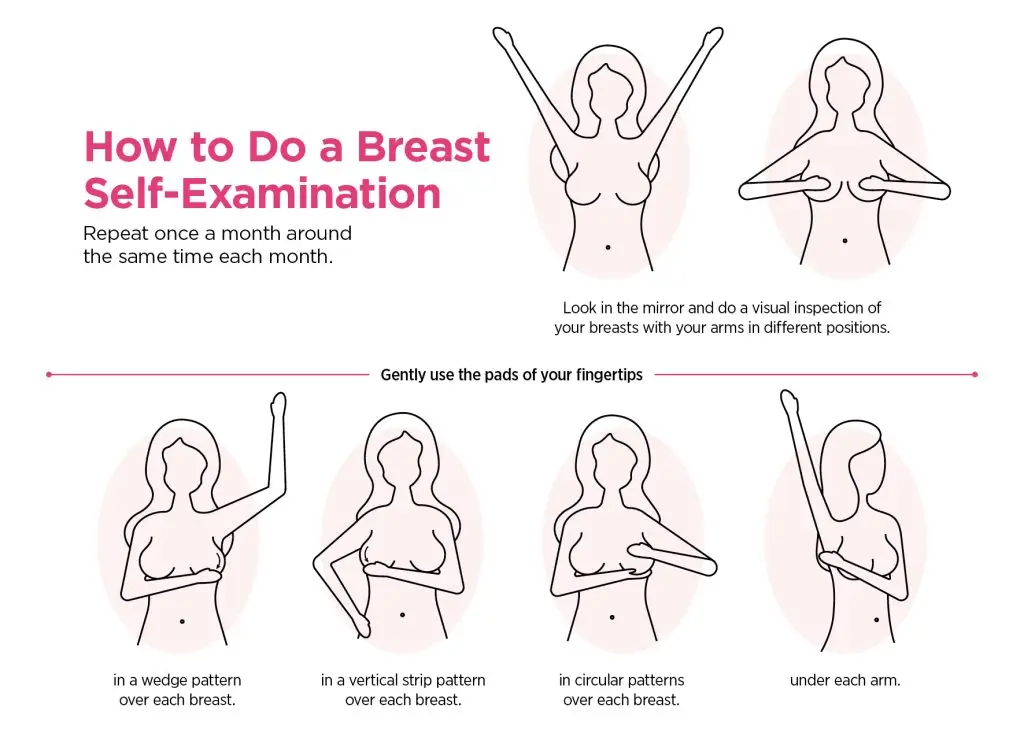
The reason why consistent monthly self-checks are so important is so women can determine what is “normal” for them and identify when a lump feels different. For example, it might seem firmer or larger than other lumps or be located in an unusual area such as the armpit.
If you feel something like that, you should definitely make a note of it. If it persists and is something that is concerning, contact your physician about getting a breast exam and having someone take a look at this lump more closely.
Yet, it’s still not time to panic. Breast lumps can signal a number of non-cancerous conditions, such as fibroadenoma (benign breast tumor) or a cyst. Further tests, which include a professional breast exam, imaging, and, if needed, a biopsy, can help identify the underlying cause.
If you undergo imaging and there are no issues at that time, that’s a good baseline—and a great time—to start doing self-exams if you aren’t already. At this point, you know that your breasts as they are, including any benign lumps, are normal. After knowing your new normal breast status, you can follow it with regular self-exams and routine mammograms and note any differences.
Mammography: Gold Standard of Professional Screening
Mammography is considered the gold standard for breast cancer screening, even though other imaging methods, such as MRI, have been promoted in recent years. For women with no family history of breast cancer, it’s generally recommended they begin mammography screening at age 40 and continue annually.
We know that if you find breast cancer early, it’s very treatable. Mammography is the best way to do this and promptly proceed with treatment.
Monthly breast self-exams are important, too, as is speaking openly and often with your health care provider, as needed. Don’t hesitate to contact them if you are concerned about anything. Closely communicating with your doctor or health care provider is key to your best breast and overall health.
Listen to a Podcast
To listen to an in-depth conversation on this topic with Dr. Meghan Garstka, Breast Surgical Oncologist at the Breast Center at University of Maryland Upper Chesapeake Health, play app below or follow this link: https://radiomd.com/umms/item/45791