
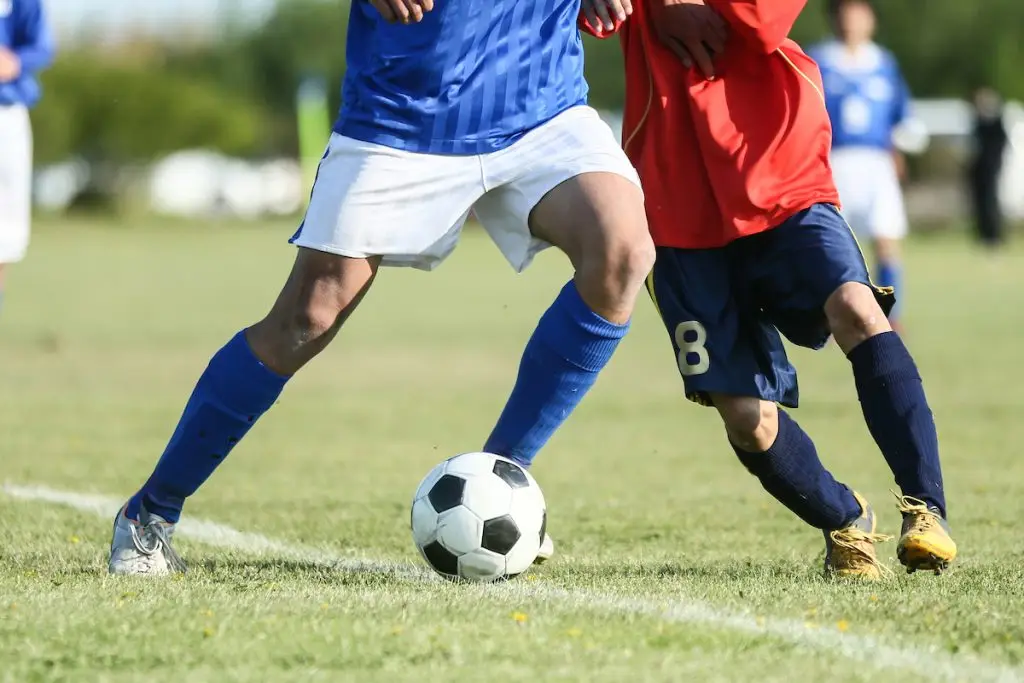
Many children and teens participate in seasonal sports activities. Do you know if your child is ready to hit the court or field? Before they get in the game, brush up on the basics of sports injury prevention.
While it’s impossible to prevent every injury, there are some steps you can take to help make injury less likely. Start now to be prepared for when the season gets underway.
The Leading Causes of Sports Injury
Sports injuries are relatively common among children and teenagers. In fact, more than 3.5 million children younger than age 14 get hurt while participating in some type of athletic activity each year.
Some orthopedic concerns are more common than others. The most common sports-related health issues among young athletes include:
- Anterior cruciate ligament (ACL) tears
- Ankle sprains
- Elbow overuse (often called Little Leaguer’s Elbow)
- Knee pain
Along with these orthopedic injuries, concussions are also common among children and teens. Concussions related to sports and recreation are a leading cause of traumatic brain injury-related emergency visits for children and teenagers. Some young athletes with severe head injuries may even require rehabilitation services, which are offered by the University of Maryland Rehabilitation Network across Maryland. If you think your child has suffered a concussion, take them to an urgent care location near you.
Steps to Help Avoid Sports Injury
While injuries are fairly common during any type of physical activity, including youth sports, it is possible to prevent them in many cases with some basic precautions.
- Have your child undergo a sports physical before the season to check for underlying health conditions.
- Gradually increase time spent performing physical activity to reacclimate the body for practices and games.
- Ensure your child has sport-specific protective equipment, including a helmet and pads as needed.
- Make sure your child is taught and performs proper technique and form in sport-specific movements such as tackling or heading a soccer ball.
- Have your child drink plenty of water before, during and after physical activity to maintain proper hydration and avoid overheating.
- Teach your child the importance of warming up before games and practices and cooling down afterward.
- Make sure your child knows never to continue participating in physical activities when they are hurt.
Hear from an Expert
In this special edition of “Keep Your Shell Well,” Holly Frantz, Director of Strength and Conditioning for the UM Terps, talks about ways to prevent sports injuries in young athletes.
The University of Maryland Medical System is the Official Medical Team of the UM Terps.
If a Sports Injury Occurs
Even when you take every precaution, your child may still experience a sports injury. When this occurs, pull him or her out of the game or practice until the injury can be properly evaluated.
Minor injuries, such as aches and bruises, can sometimes be effectively treated with basic at-home care. For more serious injuries, including any head-related injury, it’s best to have your child evaluated by an urgent care expert, sports medicine specialist or pediatric orthopedic specialist, who can diagnose the injury and provide treatment.
This specialized type of orthopedic treatment can often be received at a sports clinic or urgent care center, which may operate evenings and weekends to accommodate sports schedules.
More to Read
- Preventing Sports Injuries: 8 Tips for Athletes of All Ages
- How to Prevent Winter Sports Injuries All Season Long
- 5 Ways for Runners to Have Healthy Feet
- Nutrition for Athletes: Fueling Your Performance
- Recognizing Dehydration Symptoms in Athletes
Medically reviewed by Scott Burger, DO, Chief Medical Officer of University of Maryland Urgent Care.