
Nationally, 1 in every 4 deaths is caused by cardiovascular disease, according to the Centers for Disease Control and Prevention. Luckily, there are many steps that you can take to prevent heart disease. A healthy lifestyle is one of the best defenses against this insidious illness. Here are a few practical tips on how to reduce your risk.
Eat Heart Healthy
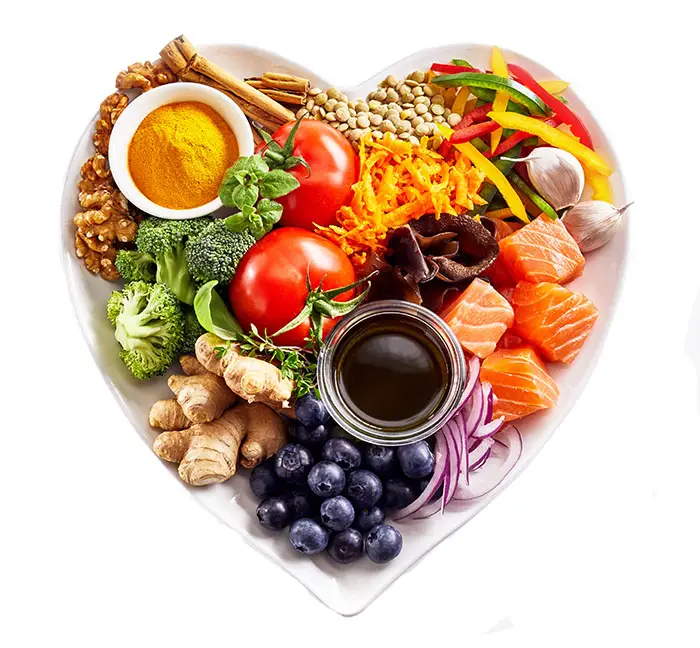
Eating healthier is easier than you might think. Watching what you eat is a great first defense against not only heart disease but also other common conditions like obesity and diabetes. Starting with small, consistent changes can make a big difference.
Consider these daily nutrition goals:
- Fruits and vegetables: At least 4.5 cups a day
- Fish (preferably oily fish, like salmon): At least two 3.5-ounce servings a week
- Fiber-rich whole grains: At least three 1-ounce servings a day
- Nuts, legumes and seeds: At least four servings a week, opting for unsalted varieties whenever possible
While measuring out your portions is the best way to ensure that you’re getting all of the nutrients you need, there are a few easy ways you can make sure you’re eating right — even when there isn’t a measuring cup or food scale nearby! Our bodies need fresh fruits and veggies most, so fill your plate with those first. Divide the remaining space between lean meats, poultry, fish, and whole grains.
Don’t Skip Healthy Fats
Fat isn’t the enemy when it comes to fighting heart disease — it’s simply a matter of eating the right fats. For example, nuts supply heart-healthy omega-3 fatty acids. They also promote stable blood sugar and metabolism. The best part? A little serving goes a long way to filling you up.
Add Resistance

When it comes to a healthy heart, cardio has been considered king for years. However, recent evidence suggests that having a well-rounded exercise plan that includes resistance training can be beneficial. Strength training boosts overall health and reduces heart disease risk factors for both women and men. Some of these benefits include:
- Weight control and lower body fat
- Higher good cholesterol and lower LDL and triglyceride levels
- Higher bone density
- Improved balance and physicial ability, including a lower risk of falling
Talk to your doctor before you begin incorporating resistance training into your exercise plan.
Ask About Aspirin
For some people, taking a daily aspirin can help prevent a heart attack by thinning the blood and making clots less likely to form. While it can be beneficial, don’t start aspirin therapy without talking to your doctor about the risks and benefits for you personally.