
If you’ve had a heart attack, are living with heart failure or have undergone open-heart surgery or a heart catheterization procedure, cardiac rehabilitation is not only an important part of your recovery, it’s also a key component in your overall heart care. Cardiac rehabilitation puts your body’s most important muscle—your heart—on a healthier path for years to come.
What Is Cardiac Rehab?
Cardiac rehab is an outpatient program that combines medically supervised exercise and education about a healthy diet and other tenets of heart health. It helps you improve your heart’s strength and stamina, which is especially important during the COVID-19 pandemic.
Your cardiologist, specially trained nurses, exercise specialists, dietitians and other members of your cardiac rehab team will empower you to build the skills you’ll need to take care of yourself at home after your cardiac event or heart surgery. This can help prevent future heart problems and, in some cases, reverse heart disease.
Here are four ways those sessions of exercise and education may improve your life:
1. Gain a Better Quality of Life
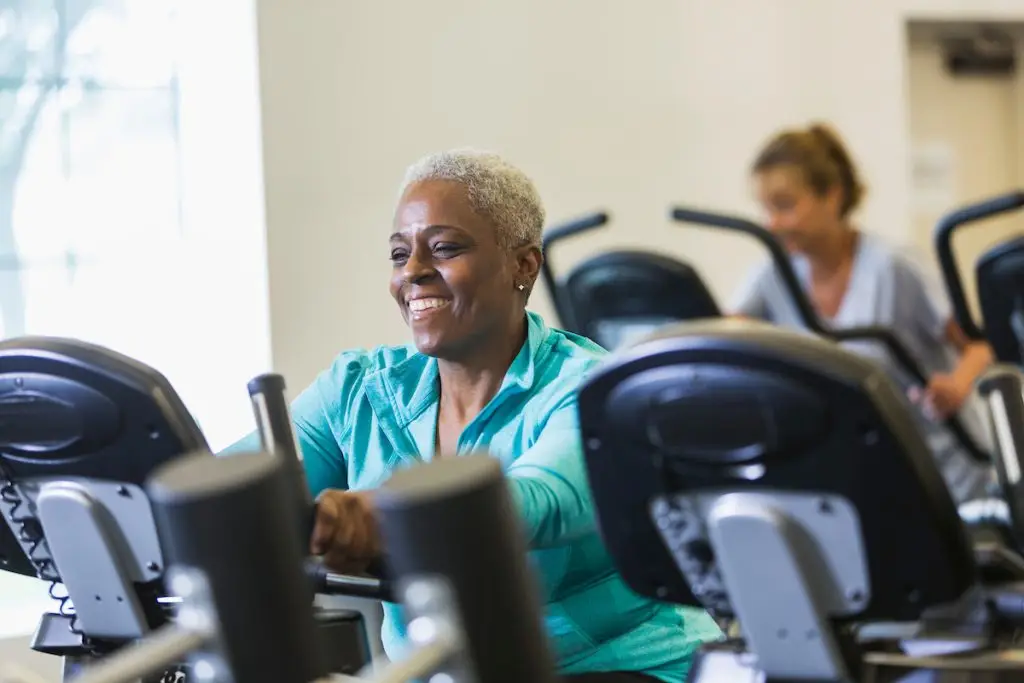
During cardiac rehab, you’ll gradually—and safely—build up your aerobic exercise tolerance using a treadmill and other equipment under the watchful eyes of nurses or exercise specialists. This will give you the confidence to continue exercising on your own at home, not to mention the energy to climb stairs, walk the dog or play with your children or grandchildren. You’re also less likely to experience heart-related symptoms, such as chest pain.
2. Improve Your Mood
Individuals who have a heart attack or undergo heart surgery are more likely to experience depression. Cardiac rehab can improve your mood and reduce stress, and for many people, it becomes something to look forward to—a time to enjoy the camaraderie of others who are working to improve their heart health.
3. Develop Healthy Habits
You’ll learn important information in cardiac rehab that can help you make healthy, lasting changes to your daily routine. These lessons include:
- How to incorporate more fruits, vegetables and lean sources of protein into your diet while reducing high-salt and processed foods
- Why it’s important to kick the habit if you smoke
- How to prevent or manage conditions that put your heart at risk, such as high blood pressure, high cholesterol and diabetes
4. Look Forward to a Healthier Future
Cardiac rehab can reduce your risk of having a first or second heart attack. You’re 30 percent less likely to die in the five years following a heart attack or bypass surgery if you participate in cardiac rehab, according to the Centers for Disease Control and Prevention. When combined with taking medications as directed, the skills you gain in cardiac rehab, such as eating a heart-healthy diet and engaging in daily exercise, may help you reverse heart disease.
Get Better with the UM Rehabilitation Network
The University of Maryland Rehabilitation Network is a coordinated system of inpatient and outpatient rehabilitation providers working together to help people recover from illness or injury, including a cardiac event.
When you recover with a UM Rehabilitation Network facility, you’re connected with a team of care providers from facilities across Maryland, ranging from community hospitals to a large academic medical center. This provides you with a more comprehensive rehabilitation plan that will help you get better faster.