
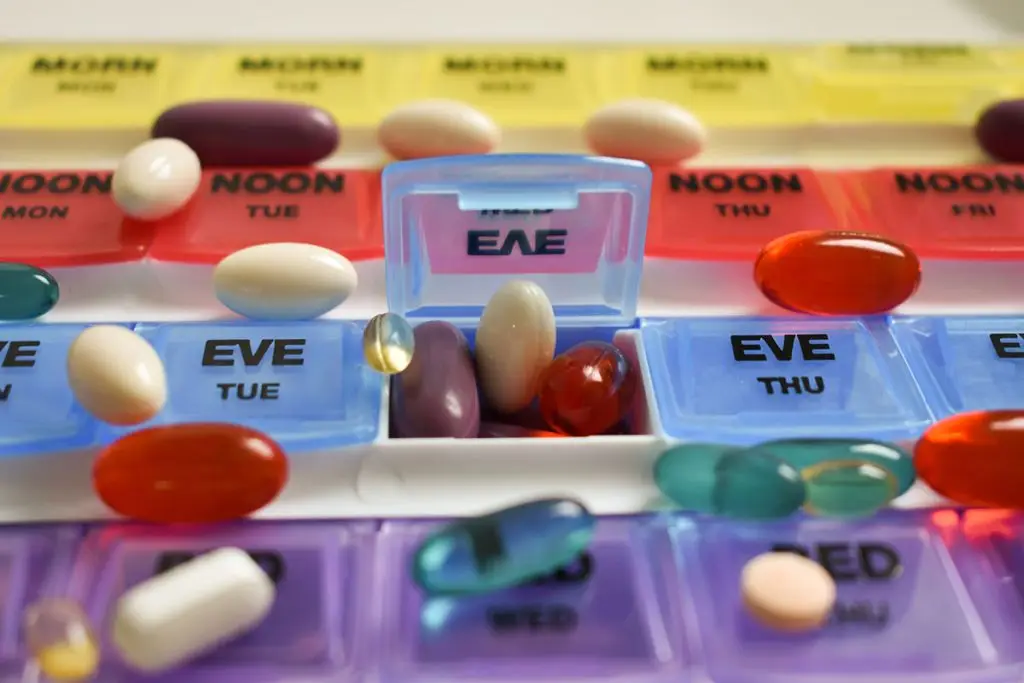
In the last few years, you’ve probably had a growing collection of medications in your medicine cabinet. It’s normal to take multiple prescription and over-the-counter (OTC) drugs, especially as you age, but it’s still important to be sure that all of them work well together.
Medication reconciliation, or comparing your current drugs with any new ones a doctor may recommend, is a safety technique practiced in most primary care offices and hospitals.
All sorts of prescription and OTC medications, and even vitamins and supplements, can interact negatively. Among older people, blood thinners, cholesterol medications and antibiotics are especially likely to interact poorly with other remedies. That’s why a medication checkup—a review of all your medications with your doctor—is worthwhile.
Talk to Your Doctor About Medications
The best way to manage your medications like a pro is to talk to your doctor. During your next doctor appointment, ask for a few extra minutes to discuss your medications. Many people have prescriptions from multiple doctors, making them difficult to track. It is important that your primary care provider know all of the medications you are taking. Also, take a few moments to prepare ahead of time so you know exactly what questions you need to ask.
Make a List
Write up a list of every prescription and over-the-counter medication you take, along with all vitamins and supplements. Include the doses in your list. Bring the list to your doctor’s appointment so you can have an informed discussion. Alternatively, you can bring all your medications in their original packages to your appointment.
Discuss Possible Side Effects
Talk about any health complaints you have, such as weakness, confusion or loss of appetite, which may be side effects of some medications. It could also point to poor interactions between multiple prescriptions.
Simplify Your Medications
Ask your doctor if there is a way to simplify the number of medications you take, or when you take them. Your doctor may be able to present alternatives or guide you through creating a routine that works best for you.
Go Generic
Concerned about the cost of your medications? Ask your doctor if there are generic options for any of your prescriptions. You may be able to get the same medication at a lower cost.