
Medically reviewed by Sagal Ali, MD.
According to the National Institutes of Health, microorganisms account for 1 to 3 percent of the body’s mass. Your gut (the lower gastrointestinal tract) is no different.
Trillions of bacteria live in our gut. Due to advancements in microbiology, recent research has found that a healthy balance of diverse bacteria in our gut is a key part of good health. Having “good” bacteria in the gut helps your body digest and absorb nutrients more effectively and boosts the immune system.
Here are a few simple ways you can optimize your gut for good health.
Sleep Better
A growing body of research shows that getting seven to eight hours of sleep each night is key to maintaining a healthy gut. In turn, studies have found that poor gut health may negatively impact sleep. If you have trouble sleeping, there are many actions you can take to improve sleep quality and duration.
Consider Probiotics
Probiotic supplements may help bolster the number of beneficial bacteria in the gut, aiding digestion and improving immunity, but not everyone needs them. These supplements contain live bacteria, so be sure to speak with a health care provider before taking one. Learn how probiotics work and whether they may be right for you.
Manage Stress
Stress can wreak havoc on gut health due to the gut-brain connection, which refers to the communication that occurs between the brain and the set of nerves that line your gastrointestinal tract. Stress can affect digestion and even which nutrients the intestines absorb. Meditation, yoga, tai chi, breathing exercises and spending time in nature are all good ways to reduce stress. Try this guided meditation to help you relax.
Eat More Fiber
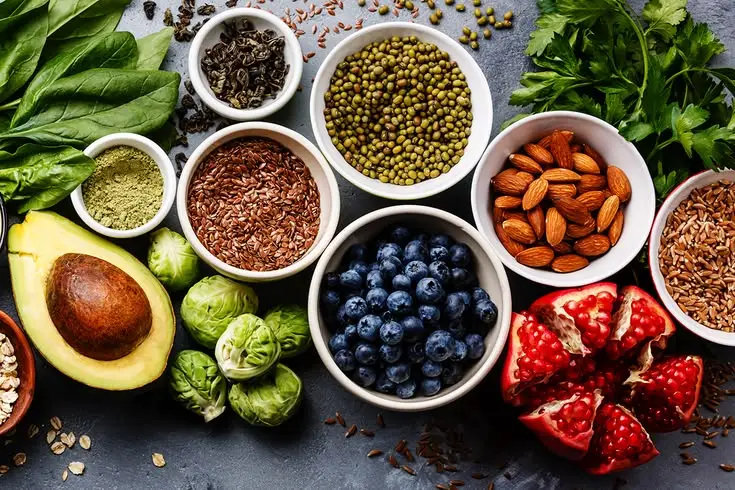
Recent research shows healthy gut bacteria feed on fiber from our diet. Adding more fruits, vegetables, beans, nuts, seeds and whole grains to your meals provides a good mix of fibers and nutrients that can help healthy gut bacteria thrive.
Exercise
Numerous studies have found links between regular exercise and improved gut health. Aim for the recommended minimum of 150 minutes of moderate-intensity aerobic exercise or 75 minutes of vigorous activity per week. Here are 9 Easy Ways to Fit Exercise Into Your Life.
When to See a GI Specialist
Sometimes, even when you are doing all the right things, you may have digestive issues. If you consistently have the following symptoms, make an appointment to see a gastroenterologist:
- Bloating
- Sudden weight loss
- Difficulty swallowing
- Blood in your stool
- Excessive gas
You should also schedule an appointment for a colonoscopy around your 45th birthday – even if you have excellent gut health. These screen for colorectal cancer and earlier detection means a better outcome.
Listen to a Podcast
How to Have a Healthy Gut
Your “gut” is a key component of good health. But what happens if you start experiencing problems with digestion or elimination? How can you restore the delicate balance of healthy bacteria? Do probiotics help? What about going gluten-free? In this podcast, Dr. Sagal Ali, a gastroenterologist and gut health expert, discusses what gut health really means and how to have a healthy, happy belly and GI tract.
Or listen on YouTube:
More to Read
- The Benefits of Seasonal Eating
- What Is the Difference Between Prebiotic and Probiotic Foods?
- Strengthen Your Immune System with 7 Simple Strategies
- Healthy Eating on a Budget