
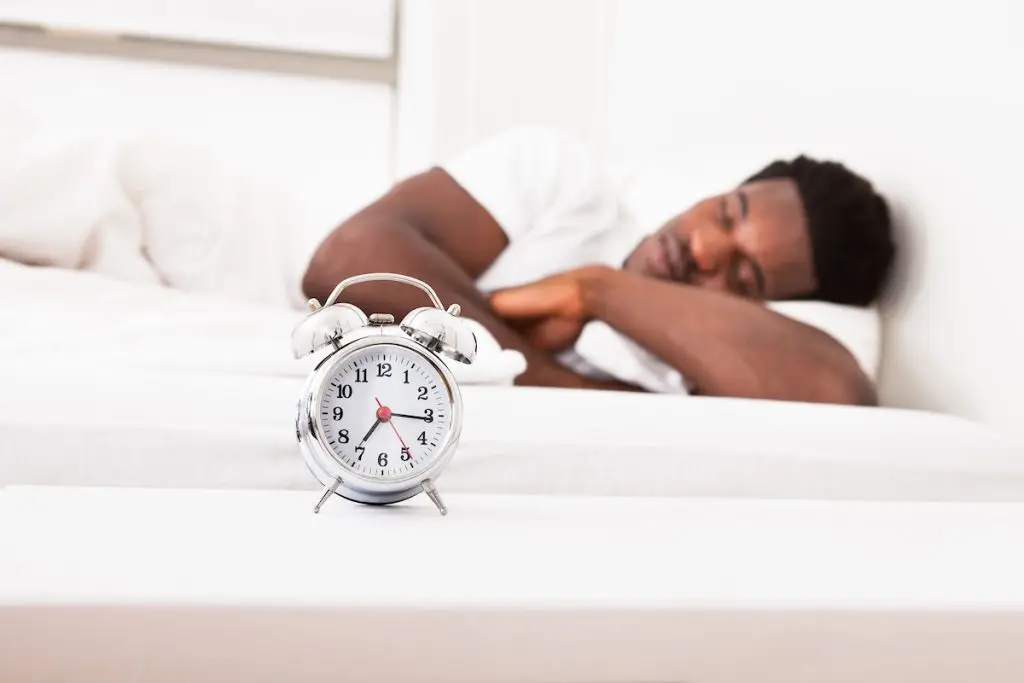
Do you have diabetes? Do you also suffer from disturbed sleep? It’s not unusual for someone to experience both conditions at the same time. According to research published in the Indian Journal of Endocrinology and Metabolism, those with Type 2 diabetes have a higher rate of sleep disorders, and people who experience shorter sleep periods or erratic sleep have a higher incidence of Type 2 diabetes.
But hope is not lost for a good night’s sleep. Establishing a good sleep pattern can help you control your diabetes. Properly managing your diabetes and related conditions can help you sleep more restfully.
I Have Diabetes. Why Can’t I Sleep Properly?
If you have diabetes and you aren’t sleeping well, causes may include:
- Hypoglycemia—Drops in blood sugar. A hypoglycemia alert on your monitor can cause you to wake up and disturb your sleep.
- Nocturia—Having to get up to use the bathroom.
- Restless legs—Uncomfortable sensations can cause you to move your legs, possibly due to peripheral neuropathy, a condition in which nerves don’t carry signals properly between your brain and the rest of your body. People with poor blood sugar control may develop peripheral neuropathy.
- Sleep apnea—Stops in breathing during sleep. Sleep apnea can be caused by obesity, a factor in many cases of diabetes. Heart failure can also increase the risk of sleep apnea.
Ask your diabetes educator how to manage these symptoms.
A Little Background: Sleep Cycles and Blood Sugar
Sleep dynamics and blood sugar have a synergistic relationship. During the day, when a healthy adult goes without food, blood sugar levels drop. At night, however, the same adult experiences fairly steady blood sugar levels, even though they are fasting.
Research tells us that glucose tolerance drops soon before bedtime, meaning the body metabolizes sugar less effectively, allowing sugar to stay in the blood. Blood sugar seems to be the highest during rapid eye movement (REM) sleep. As morning approaches, the healthy adult produces slightly more insulin—possibly to deal with the demands of a new day.
Can a Lack of Sleep Make My Diabetes Worse?
Researchers found that limiting healthy people to four hours of sleep each night for six nights reduced their glucose tolerance. This made them process glucose similarly to people with prediabetes. Interrupting people’s sleep at night also hinders their ability to metabolize sugar. These findings suggest that sleep problems can exacerbate your diabetes.
So if you have diabetes and you’re not getting enough sleep, consider seeing a sleep specialist to address concerns like sleep apnea. For people with diabetes, like everyone else, a good night’s sleep is essential.