
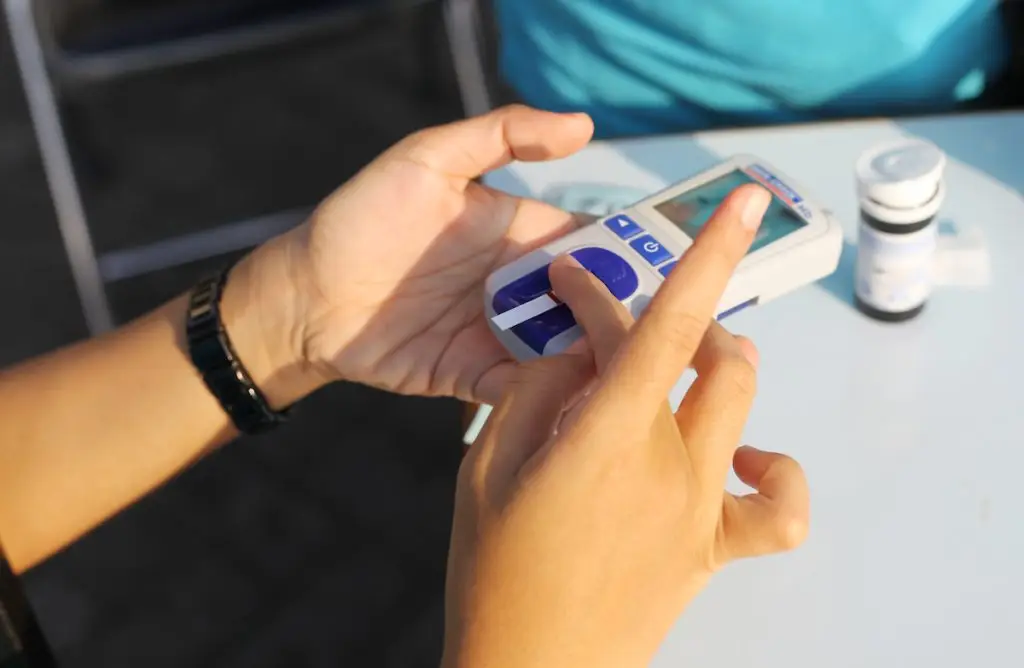
The blood test that measures hemoglobin A1c percentages in the body helps health care providers monitor and diagnose prediabetes and type 2 diabetes. Diabetes can lead to blindness, amputation and increased risk for cardiovascular and other life-threatening conditions. It affects an estimated 34 million people in the U.S.—about 1 in 10—according to the 2020 National Diabetes Statistics Report from the Centers for Disease Control and Prevention.
The Role of A1c in Diabetes Care
Type 2 diabetes develops when the body either can’t make enough or properly use insulin—a hormone the pancreas produces to convert food into energy. This type of diabetes accounts for 90%–95% of all cases, but people with this condition often experience no symptoms, which makes screening for it crucial. That’s where A1c testing plays a vital role.
The A1c measures average blood glucose levels over two to three months in a single blood test. An A1c level of 5.7%–6.4% indicates prediabetes while 6.5% or higher indicates diabetes. Additional testing is usually required for a diagnosis. People with a type 2 diabetes diagnosis typically have an A1c goal of 7% or less.
Historically, A1c tests had to be analyzed in a lab, but technological advancements have made test results available in primary care provider offices during appointments as well as through home tests. This allows health care providers to counsel patients in real-time, either at the office or through telemedicine visits, about the dangers of elevated blood glucose levels. They can also prescribe changes in diet, daily activity level, and/or medication to bring the condition under control.
No Needles Required
A simple finger stick with a single-use lancet, which most people prefer over an intravenous blood draw, is all that is needed to measure A1c with 99% accuracy.
Blood from the finger stick is collected in a tube, mixed with a solution and then inserted into a cartridge attached to a battery-powered monitor. The monitor provides a quality check and then renders the A1c reading in five minutes. Historically, an A1c laboratory blood test might take several days to process. A no-needle solution with a five-minute processing time is a welcomed improvement for anyone who needs to access A1c levels for monitoring prediabetes and type 2 diabetes. This quick test is performed in a similar manner, whether it is done at your health care provider’s office or by you at home.