Cancer
Lung Cancer Symptoms

Lung Cancer Symptoms Are Not Always Obvious

Recognizing lung cancer symptoms allows for prompt initiation of treatment. Getting screened can catch it before there are symptoms when treatments are most effective.
Man playing chess

Coping with Cancer Recurrence

Receiving another cancer diagnosis can be a shock, but you can get through it. Learn why cancer sometimes comes back, what treatment options are available and, most importantly, how to cope.
Talking to a genetic counselor about breast cancer

Genetic Testing for Breast Cancer

Breast cancer can run in families. It’s important that you know your family history, as well as the genetic, medical or behavioral factors that increase your risk of developing breast cancer. Genetic testing for breast cancer can give you important information that you can use to be proactive with monitoring, screening and lifestyle changes that may reduce your risk.
Diabetes

Pancreatic Cancer and New-Onset Diabetes

An important link between pancreatic cancer and new-onset diabetes can help health care providers detect cancer early when it’s easiest to treat.
Chemo Brain

Coming Back from Chemo Brain

Think about this scenario: Your cancer is gone or in remission, but there are new problems. You find yourself asking the same question over and over, have trouble concentrating at work or need more sticky note reminders. You may have developed “chemo brain.” But what is it and how to you cope?
lymphedema

Lymphedema: A Common Cancer Treatment Side Effect

Treating cancer can have unintended consequences. One is lymphedema, which is swelling that occurs in an area of the body where there is surgery/radiation to treat cancer. Managing this condition can help you enjoy the best quality of life possible during and after cancer treatment.
Head and Neck Cancer

Symptoms and Treatment of Head and Neck Cancer

Head and neck cancers are rare, but they can have devastating consequences if not caught early. Learn how to recognize the signs of the disease — and how to prevent it.
Genetic Testing Counseling

What You Should Know About Genetic Testing for Cancer

Your DNA makes you unique – different from even your parents and siblings. It can also raise your risk of developing cancer and other diseases. If you have a family history of cancer, it might be wise to see a genetic counselor.
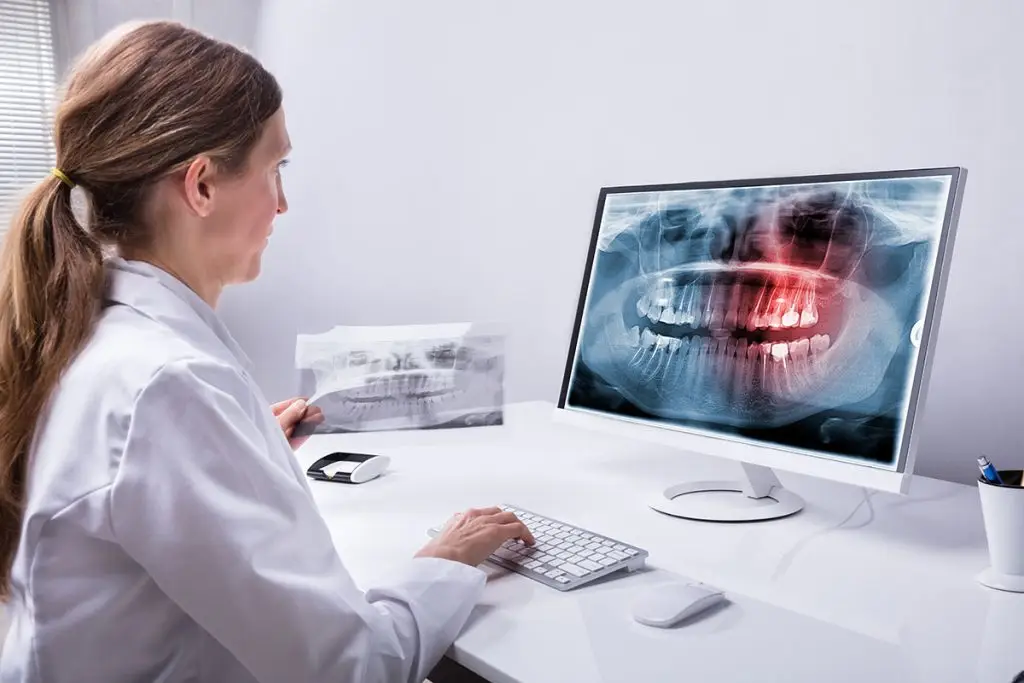
Doctor looking at X-ray of mouth

Oral Cancer: The Top 11 Signs You Should Know

Oral cancer affects only a small portion of Americans, accounting for about 3 percent of the total number of cancer cases each year, according to the National Institute of Dental and Craniofacial Research. But while it may be less common, it shares a key factor with other types of cancers—it’s most treatable when detected early. That’s why it’s important to keep an eye out for oral cancer signs.
Choosing the Best Palliative Care

Choosing the Best Palliative Care

If you or someone you love is battling a life-threatening, chronic or serious disease, you want the best palliative care team possible by your side. Here’s how to find it.

Follow Us on Social Media

Listen to Our Newest Podcasts

News

Read the latest news releases and media coverage about UMMS innovations, discoveries and research and find resources for journalists.

About Us

The University of Maryland Medical System (UMMS) is dedicated to the health and well-being of the communities we serve. We bring trusted, easy-to-understand health information, reviewed by our expert medical staff, that covers everything from injury prevention and safety tips to managing chronic conditions and new developments in care.

We are committed to sharing the knowledge and innovation of UMMS to help you live healthier, happier lives.

Subscribe to Our Email

Subscribe to Our Email